Sourcing and Procurement from Nepal, Bangladesh and Sri Lanka Has Never Been This Easy
China is not the only game in Asia. Nepal, Bangladesh and Sri Lanka are quietly becoming some of the smartest places to source, if you know how to work them. Here is the shortcut.
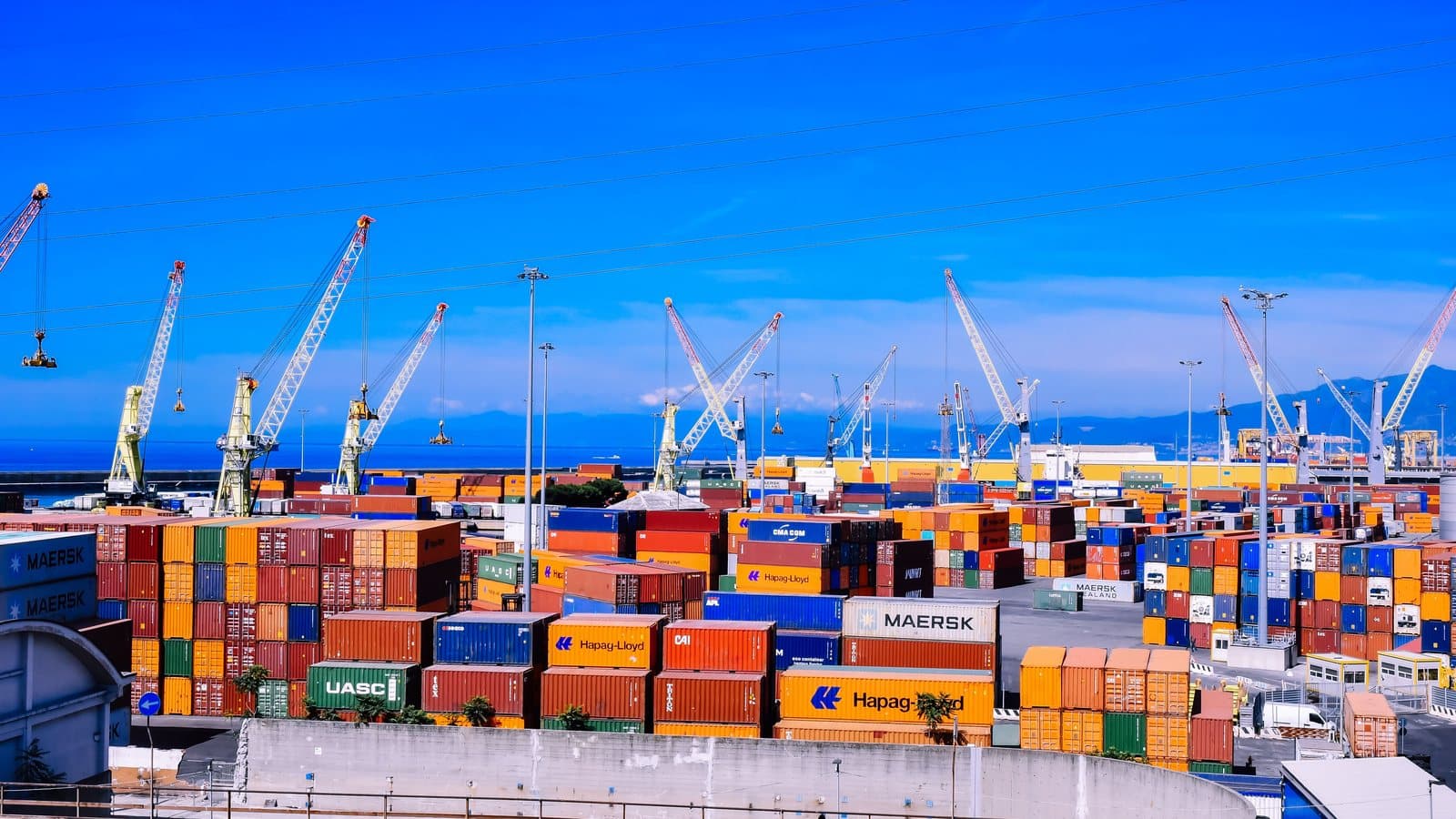
Everyone talks about China. Far fewer buyers have noticed what is happening a little further west, across Nepal, Bangladesh and Sri Lanka.
The factories are there. The craft is there. The pricing turns heads. What has been missing is a simple way in, and that is the gap we close.
A region serious buyers stopped ignoring
South Asia is no longer the backup plan. It is where sharp procurement teams go when they want competitive pricing without a bidding war, skilled production without a three-year wait, and a supply base that is hungry for long-term partners rather than one-off orders.
There is a tariff story too. As Least Developed Countries, Bangladesh and Nepal have long shipped to the EU duty free under the Everything But Arms scheme, and Sri Lanka trades under GSP Plus preferences. Trade rules do shift over time, so the current status is always worth confirming, but the headline is simple: goods sourced here can land on your dock cheaper than you expect.
What each country does best
Bangladesh is a powerhouse. It is the world's second largest apparel exporter, with deep capacity in knitwear, denim, jersey and outerwear, plus fast-growing strength in leather goods, footwear, jute and pharmaceuticals. If you buy garments at any real volume, you cannot afford to skip it.
Nepal is where craft lives. Think hand knotted wool carpets, genuine pashmina and cashmere, felt, handmade paper, and high grown tea, coffee and spices. The runs are smaller and the human touch is higher, which is exactly what premium and artisan brands are hunting for.
Sri Lanka is the specialist. Ceylon tea and true cinnamon are world famous, but the island also turns out excellent apparel (technical wear and lingerie especially), rubber and tyres, coconut products, and some of the finest sapphires you will find anywhere.
The region does not stop at three borders either. India and Pakistan sit right next door with their own strengths in textiles, surgical instruments, sports goods, rice and chemicals, so one sourcing strategy can cover a lot of ground.
The part nobody warns you about
Here is the honest version. Suppliers tend to be smaller and more scattered than in China. Some of the best workshops barely keep a website. Quality can drift between a polished sample and a bulk run. Minimum order quantities, payment security and language gaps trip up first timers. And moving goods out of a landlocked country like Nepal is a logistics puzzle in its own right.
None of that is a reason to stay away. It is a reason to have someone on the ground who does this every week.
How GLOPRO makes it easy
We handle the messy middle so you never have to touch it. We find and vet suppliers, separate the real manufacturers from the middlemen, negotiate with genuine buying power, and inspect quality before a single balance payment leaves your account.
Then we move it. We consolidate orders into one shipment, solve the landlocked routing out of Nepal, clear EU customs with the right codes and the duty preferences applied correctly, deliver the final mile, and keep the whole journey live on a tracker you can open on your phone.
One contract. One point of contact. All the wholesale pricing and control of doing it yourself, without building a sourcing office in three countries to get there.
The bottom line
Nepal, Bangladesh and Sri Lanka are not the hard way to source. Handled right, they are one of the smartest ways. Tell us what you need and where you want it delivered, and we will take care of the rest.