How to Import from China to Europe: A Practical Step-by-Step Guide
Sourcing from China but wary of the freight, customs and supplier risk? Here's the full journey to Europe, stage by stage — and how to run it through one partner instead of five.
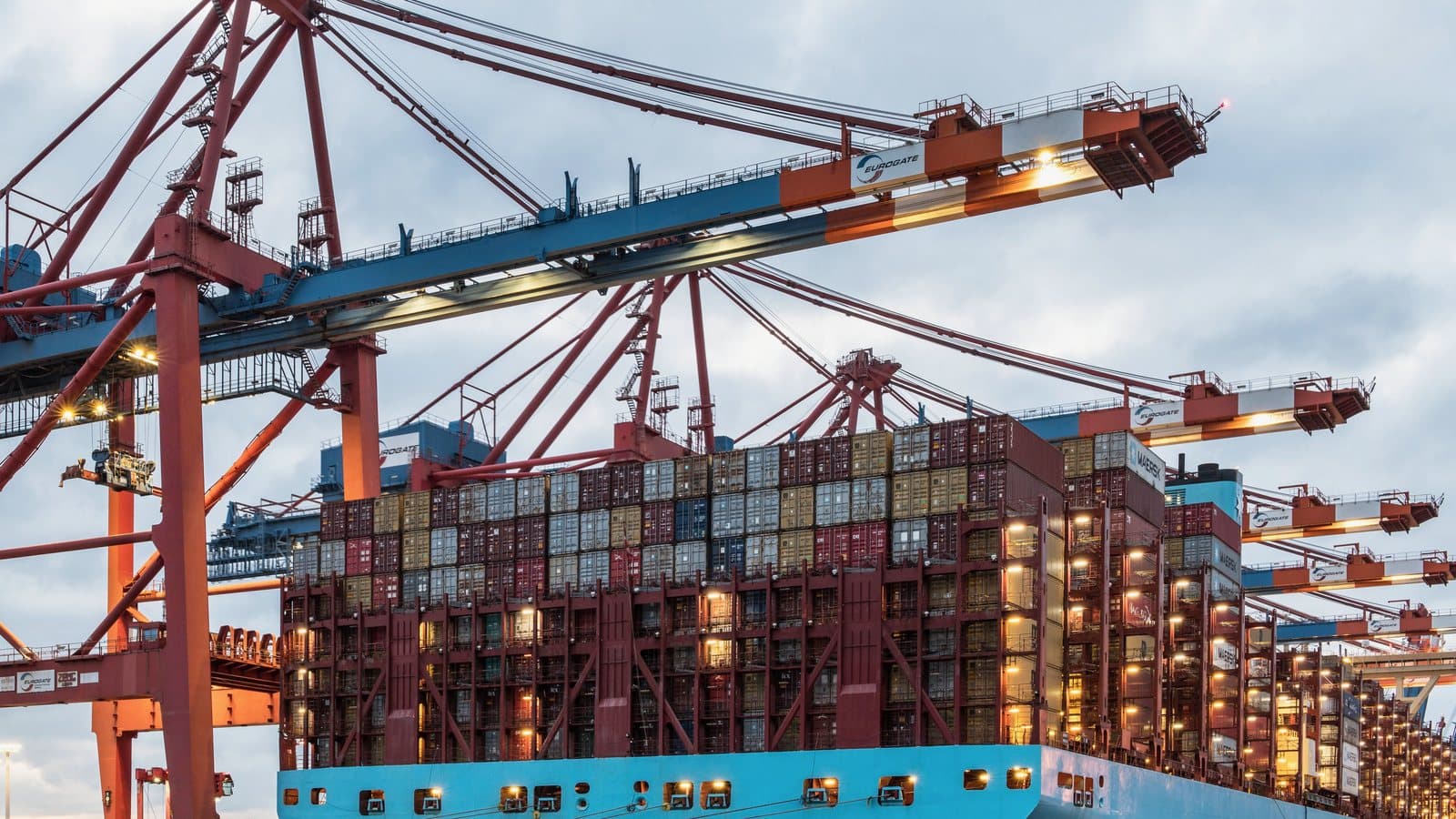
China remains the first stop for businesses sourcing everything from industrial components to finished consumer goods. The products are there and the pricing is competitive — but the distance between a supplier's quote and goods safely on your shelf is where most of the risk, cost and wasted time hides.
This guide walks through the full journey of importing from China to Europe, stage by stage, so you know what to expect — and where the common mistakes are.
1. Find and vet a supplier you can trust
The cheapest quote is rarely the cheapest outcome. Before you commit, confirm the supplier is a genuine manufacturer rather than a trading company, check business licences, ask for references and product certifications, and — where the order justifies it — arrange a factory audit or a live video walkthrough of the production line.
Vetting is the single highest-leverage step in the whole process. A well-chosen supplier prevents quality disputes, missed deadlines and the expensive surprise of paying for goods that never arrive.
2. Agree terms and quality-check before the balance is paid
Negotiate more than unit price: lock down payment terms, lead time, packaging and acceptable tolerances. A common structure is a deposit up front and the balance on inspection — never pay in full before you, or an independent inspector, have verified the goods.
A pre-shipment inspection against an agreed specification is cheap insurance. It is far easier to fix a problem while the goods are still in the factory than after they have crossed two continents.
3. Choose the right Incoterms
Incoterms define exactly where the supplier's responsibility ends and yours begins, and getting them wrong is where hidden costs appear. EXW (Ex Works) means you handle everything from the factory door — maximum control, maximum work. FOB (Free On Board) is a common middle ground: the supplier loads the goods onto the vessel and you take over from the port. DDP (Delivered Duty Paid) puts the whole burden on the supplier, but you pay a premium and lose visibility.
Pick the term that matches how much of the chain you actually want to manage yourself.
4. Book freight — and consolidate where you can
Sea freight is the default for volume: slower, but far cheaper per unit. Air freight suits urgent or high-value, low-weight goods. Rail between China and Europe sits in between on both cost and speed.
If you are buying from several suppliers, consolidating multiple orders into a single shipment lowers your per-unit freight cost and leaves you with one arrival to manage instead of many.
5. Clear EU customs without surprises
To import into the EU you will need an EORI number, the correct commodity (HS) codes for your goods, and a customs declaration. On arrival you pay import duty — the rate depends on the product and its origin — plus import VAT.
Accurate paperwork is everything here. Wrong codes or undervalued invoices cause delays, penalties and held shipments. Duty rates and rules also change, so verify current requirements for your product; when in doubt, a good customs broker earns their fee many times over.
6. Manage the last mile — and keep eyes on the shipment
Customs clearance is not the finish line; the goods still have to reach your warehouse or your customer. Plan that final leg in advance, and insist on tracking across every stage so an exception is something you are told about, not something you discover.
The real question: five vendors, or one partner?
Read back through those six stages and you'll notice something: each one is usually a different company — a sourcing agent, an inspector, a freight forwarder, a customs broker, a courier. Every handoff between them is a place for cost to creep in and accountability to disappear.
This is exactly the gap GLOPRO was built to close. We handle the whole chain — finding and vetting the supplier, negotiating and quality-checking, consolidating freight, clearing customs, delivering the last mile and tracking all of it in real time — under a single contract and one point of contact.
You get the wholesale pricing and control of doing it yourself, without assembling and managing five separate vendors to get there. Whether you need the full journey handled or just one leg of it, that is the problem we solve.